
214-376-4441

Recent Blog Posts
Risks of Carrying Large Amounts of Cash Through John Wayne Airport
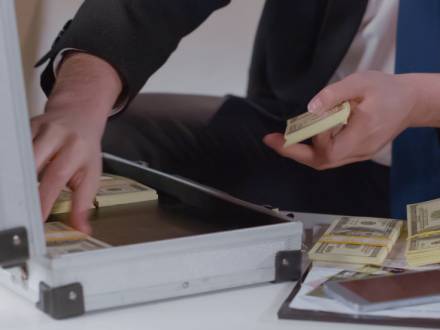
Carrying a large amount of cash through John Wayne Airport is legal. But that does not mean your money is safe from seizure. The biggest risk is not that you will be arrested, but that federal agents can seize the money and keep it without ever charging you with a crime. Civil asset forfeiture allows the government to take cash it believes is connected to criminal activity. But in a federal civil forfeiture case, the government must prove that the property is subject to forfeiture. If your cash was seized at the airport in 2026, our John Wayne Airport cash seizure defense lawyer can help you respond before the deadlines close.
Is It Legal to Fly With Large Amounts of Cash in the U.S.?
Flying with cash is legal, and no law caps the amount on a domestic flight. International travel works differently. Under 31 U.S.C. § 5316, you must file a report if you bring more than $10,000 in cash or certain other forms of money into or out of the United States. Failing to file, or structuring the transportation of money to avoid the reporting requirement, is itself a federal offense. It gives the government a basis to seize the money involved.
Can You Lose Property Because of Someone Else’s Crime?
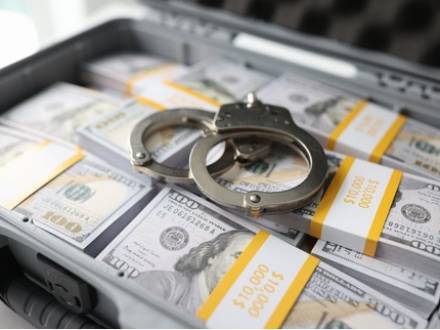 Texas asset forfeiture cases are filed against property rather than against a person, which means the owner does not have to be charged, arrested, or convicted of anything. A car, a bank account, or a house can be seized when the state claims it is connected to someone else's criminal conduct. This means you can lose property in Texas because of a crime someone else committed, but the state must prove the property is subject to forfeiture before it can keep it.
If your property was seized in 2026, a Dallas, TX asset forfeiture defense lawyer can explain what you have to prove to get it back.
How Does Civil Asset Forfeiture Work in Texas?
Under Texas Code of Criminal Procedure Article 59.02, property can be seized and forfeited if it qualifies as contraband. Depending on the offense, this can include property used or intended to be used to commit certain crimes, as well as money or other property obtained from criminal activity.
Can Texas Authorities Seize Cryptocurrency in an Asset Forfeiture Case?
 Texas authorities can seize cryptocurrency in an asset forfeiture case because Texas law specifically names digital currency as property the state can treat as contraband. This also covers non-fungible tokens and stablecoins. If you are dealing with a cryptocurrency seizure in 2026, our El Paso, TX asset forfeiture defense lawyer can help you understand what the state has to prove before it can keep your assets.
What Texas Law Lets Police Seize Cryptocurrency as Contraband?
Under Texas Code of Criminal Procedure Article 59.01, the definition of "contraband" now includes digital currency, non-fungible tokens, and stablecoins. This applies when these assets are used in or connected to certain felony offenses, such as fraud, money laundering, or drug trafficking. Before this change, prosecutors had to stretch older definitions written for cash and physical property. Those older rules were not built with digital assets in mind. Now the law addresses cryptocurrency directly. This makes it easier for the state to pursue these cases.
Can I Get My Car Back After Texas Police Seize It?
 You can get your vehicle back after Texas police seize it. You generally need to fight for it, though. The state doesn't automatically return seized property just because charges were dropped or you were never convicted. If police have taken your vehicle in 2026, our Fort Worth, TX civil asset forfeiture defense lawyer can help you fight to get it back.
Why Would Police Seize Your Car in Texas in the First Place?
Police can seize property they believe is connected to criminal activity, even if you haven't been formally charged with a crime yet. Under Texas Code of Criminal Procedure Chapter 59, law enforcement can pursue forfeiture of property they believe was used in the commission of certain crimes. This also applies to property that represents proceeds from illegal activity, such as drug trafficking.
How To Prove Seized Cash Came From a Legitimate Source
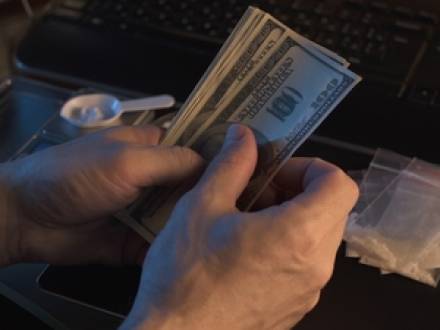 Proving seized cash came from a legitimate source generally requires records that show exactly where the money came from and how it was accumulated over time. If you're facing this situation in 2026, our Bexar County, TX asset forfeiture defense lawyer can help you gather the right evidence to reclaim your property. Attorney Arnold Spencer brings more than 30 years of legal experience to these cases.
Why Do Police Seize Cash in the First Place?
Under Texas Code of Criminal Procedure Chapter 59, law enforcement can seize cash and other property they believe is connected to criminal activity. This is true even without formally charging the owner with a crime. This process, known as civil asset forfeiture, allows the state to pursue ownership of the property separately from any criminal case against the person carrying it.
What Defenses Can Be Raised in a Criminal Asset Forfeiture Case?
 Several defenses can be raised in a criminal asset forfeiture case. Finding the right defense for you means speaking with an experienced attorney about the details of your case. Our Harris County, TX asset forfeiture defense lawyer can help you understand your options.
Attorney Arnold Spencer brings more than 30 years of legal experience to asset forfeiture cases throughout Harris County. He also has a reputation as a strong trial lawyer and litigator who isn't afraid to fight for his clients in court.
How Does Texas Law Define Asset Forfeiture in 2026?
Texas addresses asset forfeiture under Texas Code of Criminal Procedure Chapter 59. This law allows the state to seize property believed to be connected to certain criminal offenses. This includes money, vehicles, and real estate allegedly used in or acquired through criminal activity.
Does Pleading Guilty Automatically Mean You Lose Seized Property?
 Pleading guilty to a criminal charge does not automatically mean you lose property that the government seized. Civil asset forfeiture is a separate legal process from your criminal case. The two do not always move together or reach the same outcome. If your property has been seized and you are dealing with a criminal charge in 2026, a Dallas, TX asset forfeiture lawyer can help you fight on both fronts and protect what belongs to you.
What Is Civil Asset Forfeiture and How Is It Different From Criminal Forfeiture?
Criminal forfeiture happens as part of a criminal conviction. A judge orders the forfeiture of specific property as part of the sentence after a guilty verdict or a guilty plea. If your plea agreement includes a forfeiture provision, you may be agreeing to give up certain property as part of that deal.
What Private Aircraft Owners Should Know About Asset Seizures
 If you fly in and out of private jet airports, your aircraft can be seized by law enforcement even if you are never charged with a crime. Civil asset forfeiture allows the government to take property it alleges is connected to criminal activity, even when the owner is never charged with a crime. Private jet airports have become a growing focus for federal and state enforcement operations.
Aircraft are high-value assets that may become targets for seizure without much warning. If your aircraft has been seized or you are concerned about your exposure in 2026, a Dallas Love Field civil asset forfeiture lawyer can help you fight to protect your property.
Why Are Private Jet Airports Targeted for Seizures?
Private aviation operates differently from commercial aviation, with different security and operational procedures. Federal agencies nevertheless conduct enforcement operations at many of these general aviation airports and use intelligence from multiple sources to identify aircraft of interest.
How Do Prosecutors Link Luxury Assets to Alleged Criminal Activity?
 Prosecutors link luxury assets to alleged criminal activity by tracing where the money to buy them came from. If they believe the money came from illegal activity, they can argue that the assets are connected to a crime and move to take them. This process is called asset forfeiture, and it can happen before you are ever convicted of anything. You can lose a car, a home, or other valuable property while your case is still ongoing. If prosecutors are targeting your assets in 2026, a Dallas, TX high-value asset forfeiture defense lawyer can fight to protect what is yours.
How Does Asset Forfeiture Work in Texas?
Chapter 59 of the Texas Code of Criminal Procedure governs the asset forfeiture process. Under this law, the government can take property it claims was used to commit a crime or was bought with money made through criminal activity.
Can Assets Be Forfeited Based on Witness Statements Alone in Texas?
 Witness statements can be part of the evidence used to forfeit your assets in Texas. But the state cannot just point to what someone said and automatically take your property. They still have to prove their case, and that gives you real opportunities to fight back. If law enforcement has seized your property in 2026 and is relying heavily on what someone said about you, an El Paso asset forfeiture lawyer can help you figure out whether that evidence is strong enough to hold up and what you can do about it.
Texas civil asset forfeiture law is governed by Texas Code of Criminal Procedure Article 59.05. The state must prove by a preponderance of the evidence that your property is contraband. That means they have to show it is more likely than not connected to criminal activity. That standard is lower than what is required in a criminal case, which is part of what makes forfeiture feel so unfair. But it is still a standard the state has to meet, and witness testimony alone may not be enough to do that.


From our office in Dallas, we provide representation for clients in Dallas County, Tarrant County, across the state of Texas, and nationwide. We serve clients in Houston, Arlington, Irving, Grand Prairie, Euless, Aledo, Mansfield, North Richland Hills, University Park, Highland Park, Richardson, Addison, Carrollton, Farmers Branch, Bedford, Hurst, River Oaks, White Settlement, Haltom City, Forest Hill, El Paso, Lubbock, Odessa, and Laredo.
Results listed are not a guarantee or indication of future case results.
4849 Greenville Avenue, Suite 1380, Dallas, TX 75206
214-376-4441

Contact Our Firm
 The use of the Internet or this form for communication with the firm or any individual member of the firm does not establish an attorney-client relationship. Confidential or time-sensitive information should not be sent through this form.
I have read and understand the Disclaimer and Privacy Policy.